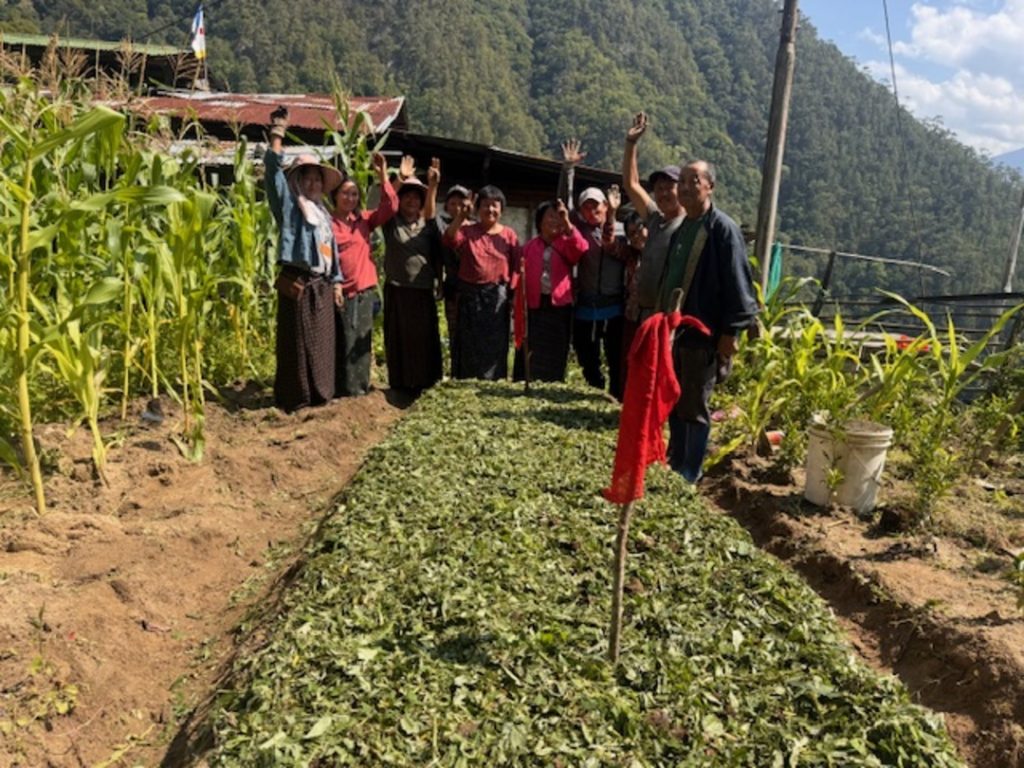
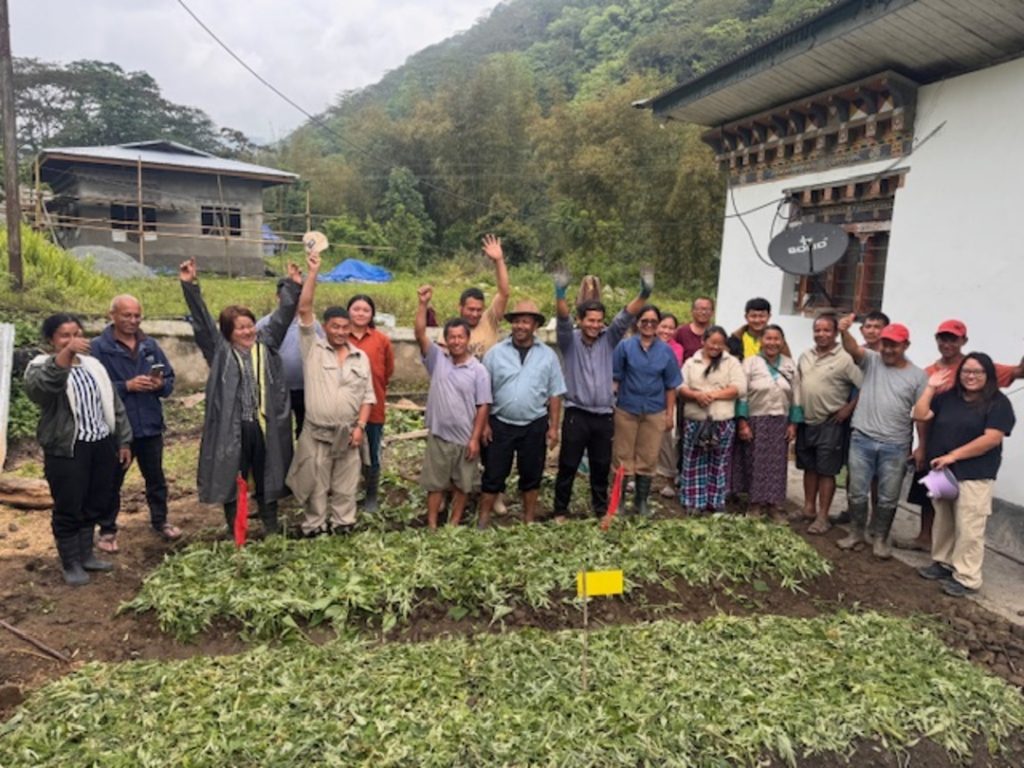
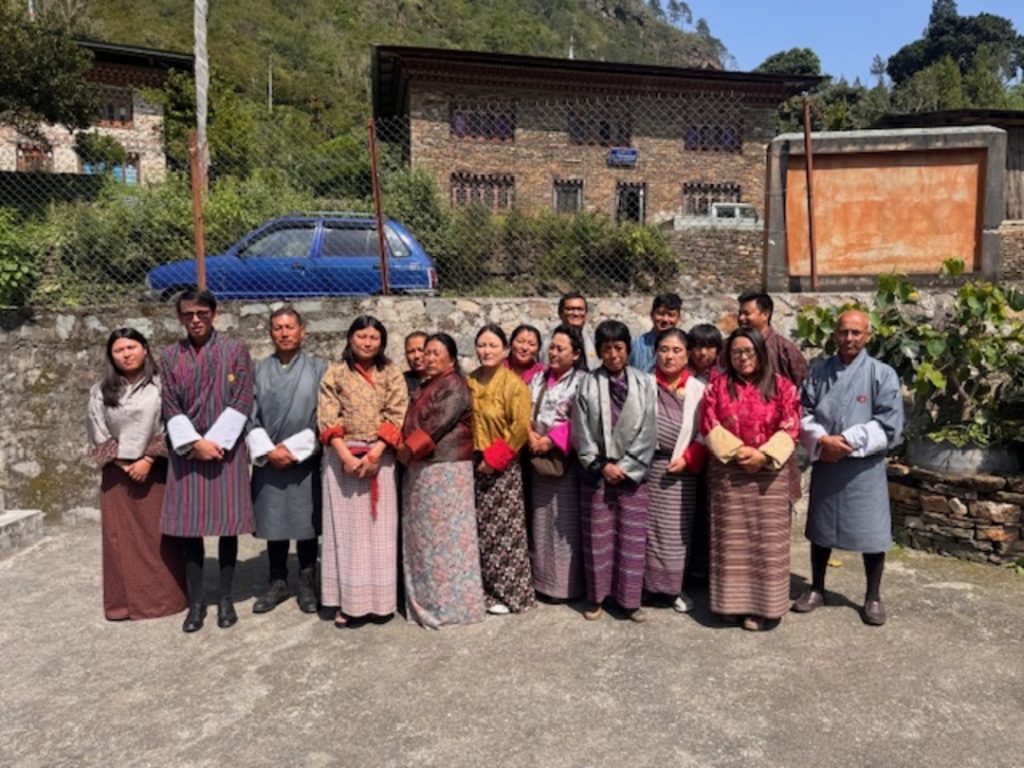
Farmers from four target Dzongkhags are gaining new knowledge and skills in sustainable agriculture through a series of onsite training and demonstrations on permaculture practices conducted under the Building Resilient Commercial Smallholder Agriculture (BRECSA) Project.
The training, held from 22 May to 02 June 2026, brought together 51 farming households, including 17 male and 34 female participants, from Gaylaythang in Sarpang, Tongtophey in Trongsa, Zhobling in Zhemgang, and Thakhorling in Tsirang. The initiative was implemented in collaboration with the Dzongkhag Agriculture and Livestock Sectors to promote climate-resilient, environmentally friendly, and resource-efficient farming systems.
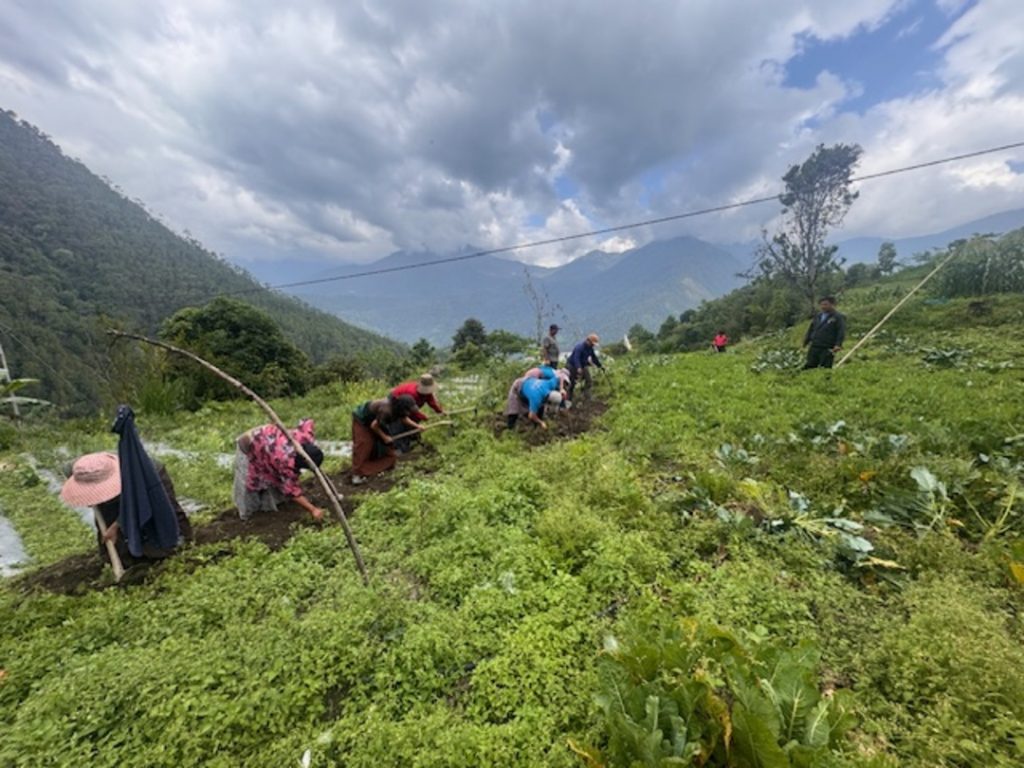
Through a hands-on field demonstrations, farmers were introduced to practical permaculture approaches designed to improve soil health, enhance farm productivity, and reduce dependence on external agricultural inputs. The sessions focused on integrated farm planning, organic nutrient management, biodiversity conservation, and efficient use of locally available resources.
The key highlights of the training was the introduction of the permaculture zoning system (Zones 0–5), which helped farmers understand how to organize their farms based on household needs, production activities, resource availability, and conservation priorities. Farmers also participated in practical demonstrations on preparing super compost, establishing double-dug beds, designing integrated vegetable gardens, and applying organic mulching techniques to improve soil fertility and crop performance.
The training further promoted environmentally sustainable pest management practices, including the use of natural pest control methods, companion crops,social permaculture, and promotion of seed bank. Farmers were also trained on the establishment and management of Napier grass and Gliricidia plantations to strengthen crop–livestock integration, improve fodder availability, and support soil fertility. Practical sessions on orchard management and fruit tree pruning were conducted to enhance farmers’ skills in maintaining healthy and productive orchards.
The newly established model organic permaculture farms will serve as learning and demonstration sites for farmers and communities providing opportunities for knowledge sharing and wider adoption of sustainable farming practices. The initiative is expected to contribute to improved household food security, increased farm resilience, and enhanced adoption of climate-smart agricultural practices across the BRECSA project areas.
With continued technical guidance and follow-up support, the BRECSA Project aims to strengthen farmers’ capacity to transform traditional farming systems into more sustainable, productive, and climate-resilient agricultural enterprises.