


Inception Workshop for Agriculture Resilience Plan (ARP) 2.0 Held in Tsirang
Tsirang, October 17, 2025 — The Project Management Unit (PMU) of the Building Resilient Commercial Smallholder Agriculture (BRECSA) Project, in collaboration with the World Food Program (WFP), successfully organized a three-day inception workshop for the development of the Agriculture Resilience Plan (ARP) 2.0) from 15–17 October 2025 at Damphu Resort, Tsirang Dzongkhag.
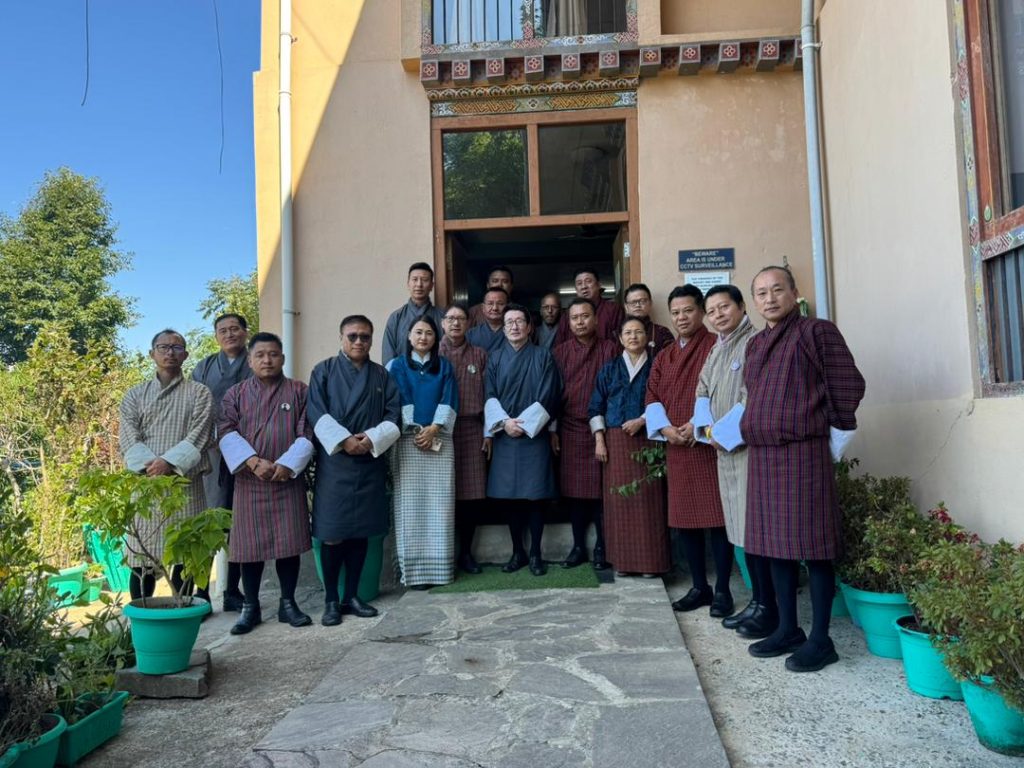
The ARP 2.0 will serve as the core strategic framework to guide the planning, implementation, and monitoring of the BRECSA Project. Building on the lessons learned from ARP 1.0, the new version aims to address identified gaps and ensure a more coherent, data-driven, and climate-resilient approach to agricultural planning and delivery across the four target Dzongkhags — Sarpang, Tsirang, Trongsa, and Zhemgang.
The workshop brought together officials from the BRECSA PMU, the World Food Programme (WFP), the International Fund for Agricultural Development (IFAD), the Ministry of Agriculture and Livestock’s Policy and Planning Division (PPD), and focal points from technical line departments including the Department of Agriculture (DoA), Department of Livestock (DoL), Department of Agricultural Marketing and Cooperatives (DAMC), and Bhutan Food and Drug Authority (BFDA).
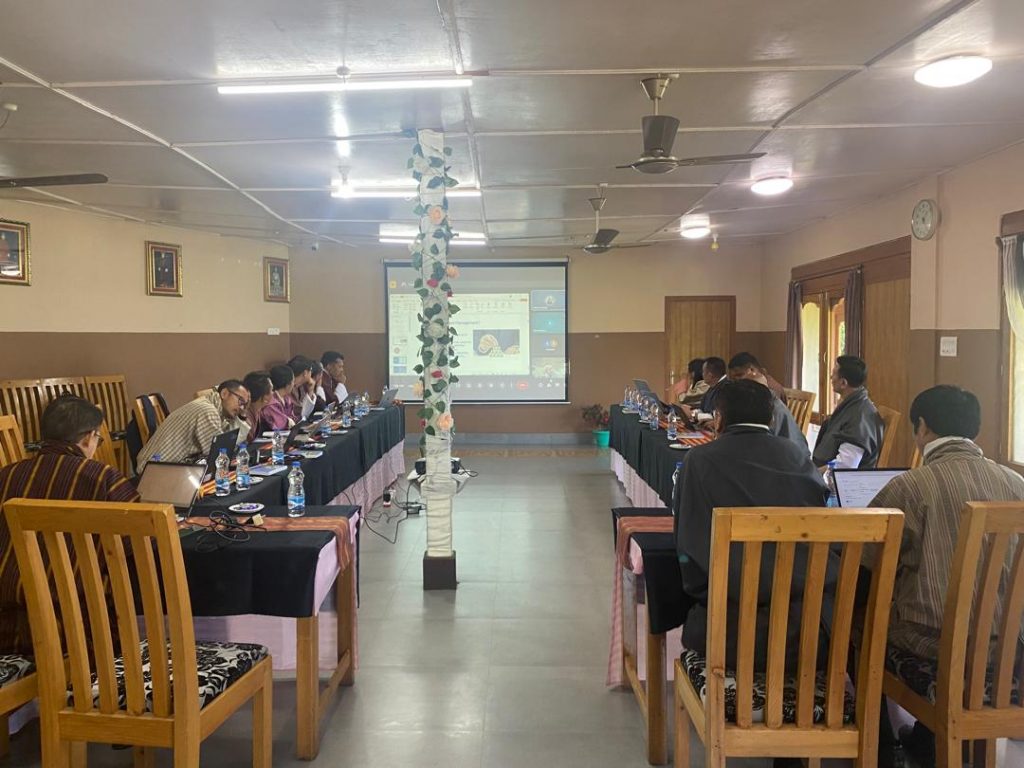
The consultancy firm Geo Solution International, engaged to develop the ARP 2.0, presented its inception report and detailed plan of action during the workshop. The sessions focused on reviewing and refining the methodology, deliverables, and implementation roadmap to ensure alignment with project objectives and stakeholder expectations.
Over the course of three days, participants reviewed the consultant’s plans for preparing agro-ecological zone maps and crop-suitability analyses, identifying climate-resilient infrastructure, conducting spatial analysis of value chains, and selecting potential sites for agri-food hubs. The discussions also covered the development of costed five-year Dzongkhag-level action plans and a comprehensive inter-Dzongkhag action plan to guide BRECSA’s implementation over the next phase.
Officials from PMU, WFP, IFAD, and MoAL emphasized the importance of ARP 2.0 as a guiding instrument to enhance agricultural resilience and promote sustainable, market-oriented farming systems. The collaborative engagement among stakeholders during the workshop ensured a shared understanding of priorities, methodologies, and timelines for the plan’s development.
The workshop concluded with a consensus on the way forward, outlining key milestones for data collection, analysis, and validation. Geo Solution International will now lead the technical development of ARP 2.0 in close consultation with national and local stakeholders. Once finalized, the ARP 2.0 will provide a robust and actionable framework for building resilient and commercially viable smallholder agriculture systems in BRECSA target Dzongkhags, aligned with national priorities for food security and climate adaptation.