ToT for Sanam Jabchorpas on Financial and Business Literacy Skills
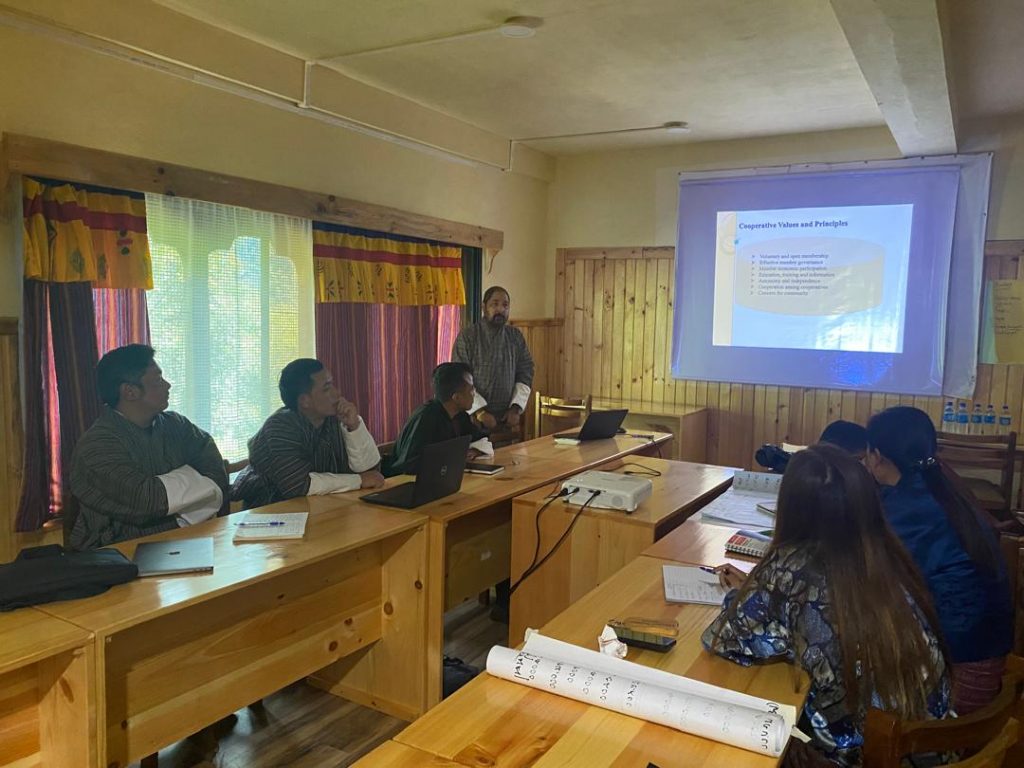
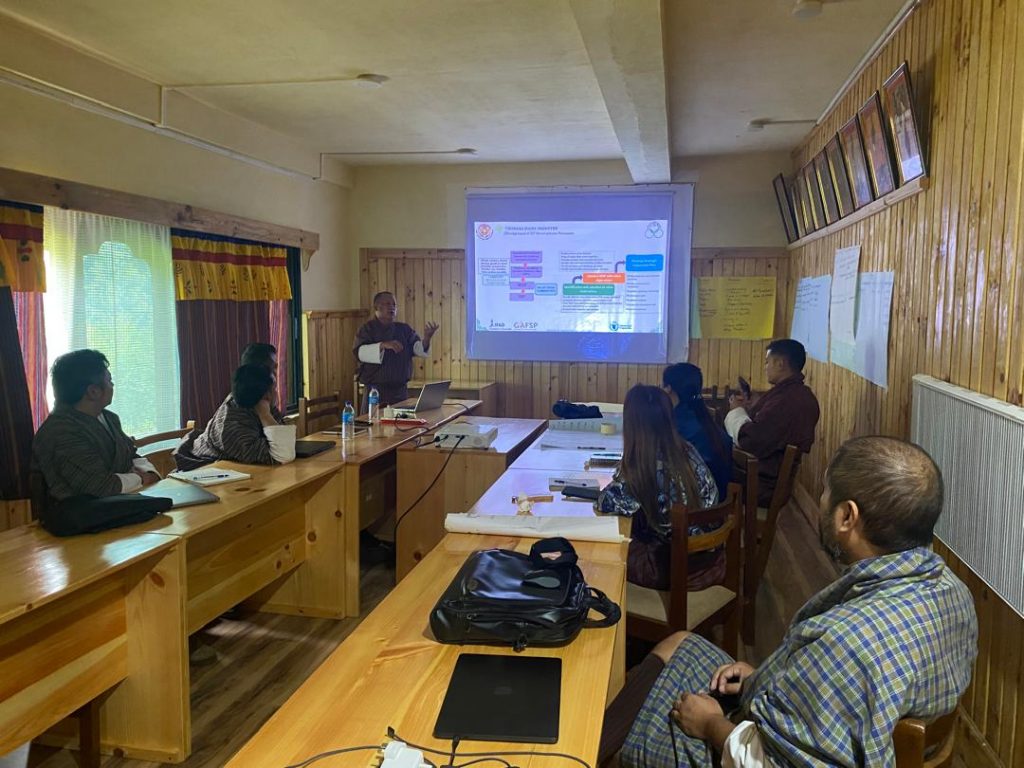
Trongsa, September 28, 2025 – The Regional Agricultural Marketing and Cooperatives Office (RAMCO), Gelephu, successfully conducted a three-day Training of Trainers (ToT) on Financial Education and Business Literacy (FEBL) for Sanam Jabjorpas (SJs) and the Economic Development and Marketing Officer (EDMO) of Trongsa Dzongkhag. The training, held from 26th to 28th September 2025 at Tendrel Resort, Trongsa, was facilitated by RAMCO-Mongar and funded by the Building Resilient Commercial Smallholder Agriculture (BRECSA) Project.

The FEBL ToT was organized to strengthen the capacity of SJ’s to train farmers, cooperatives, and agri-entrepreneurs in financial literacy, business planning, and record-keeping. A total of nine participants took part in the session, which emphasized the role of financial management in promoting sustainable and profitable farming.
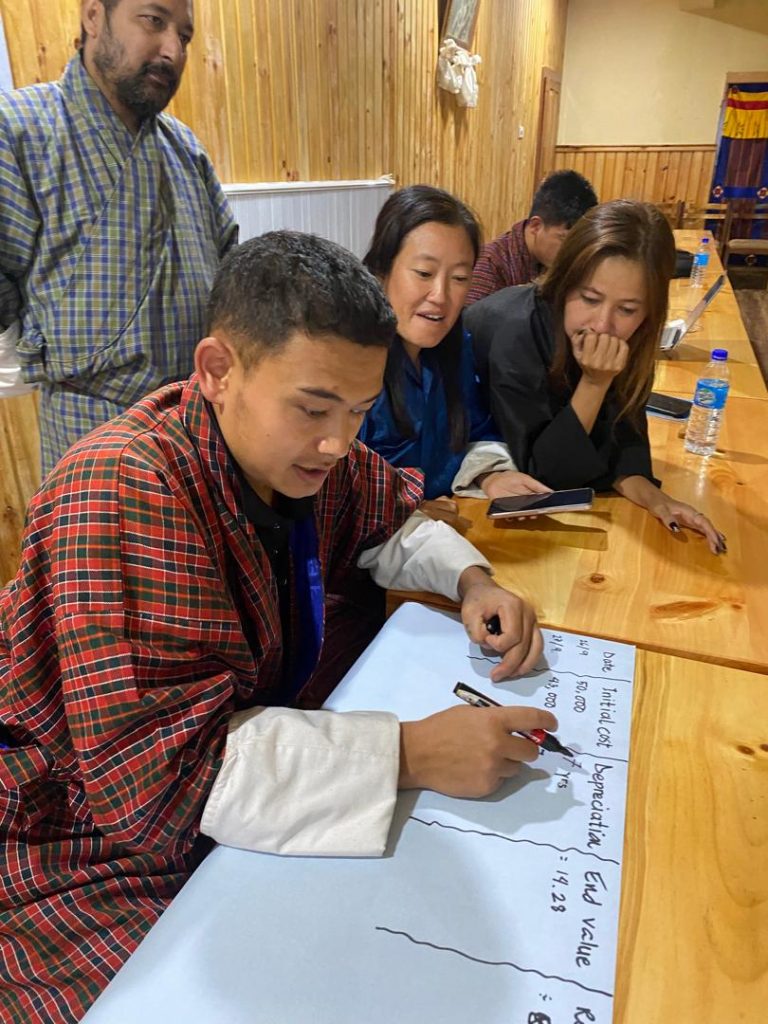
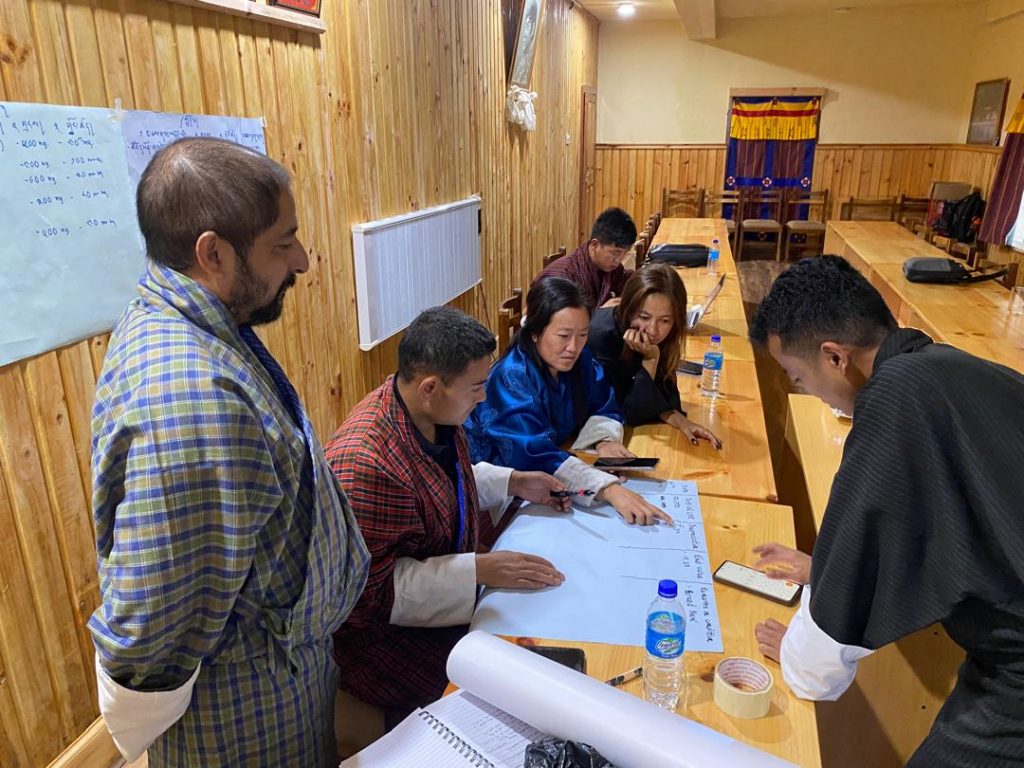
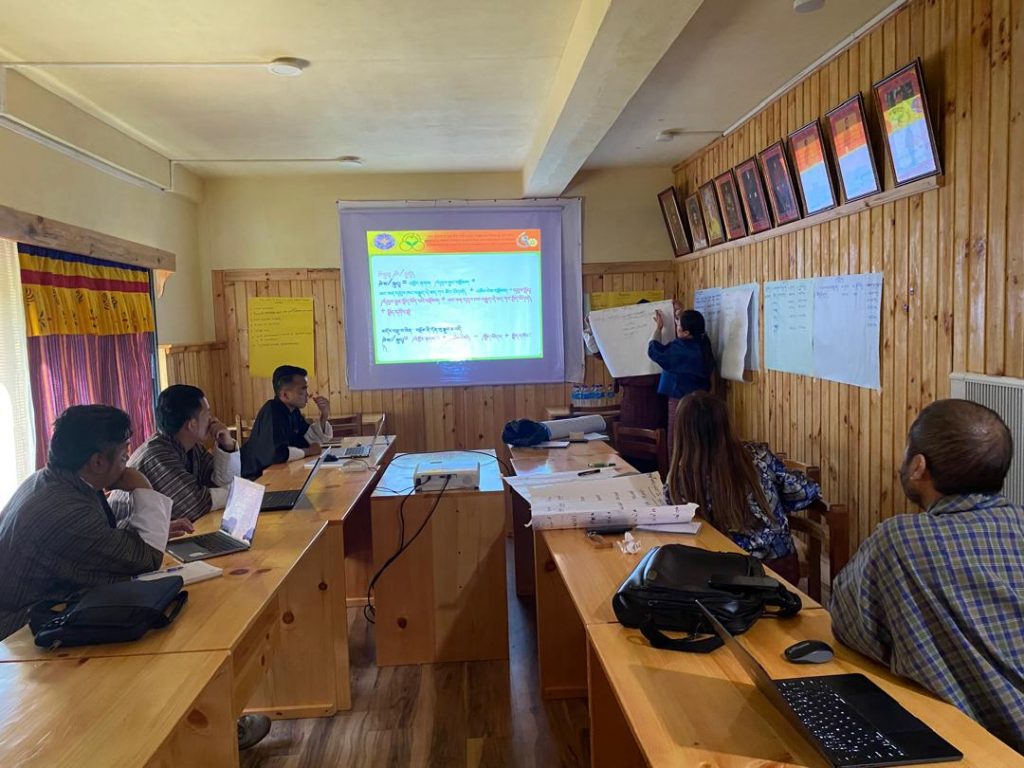
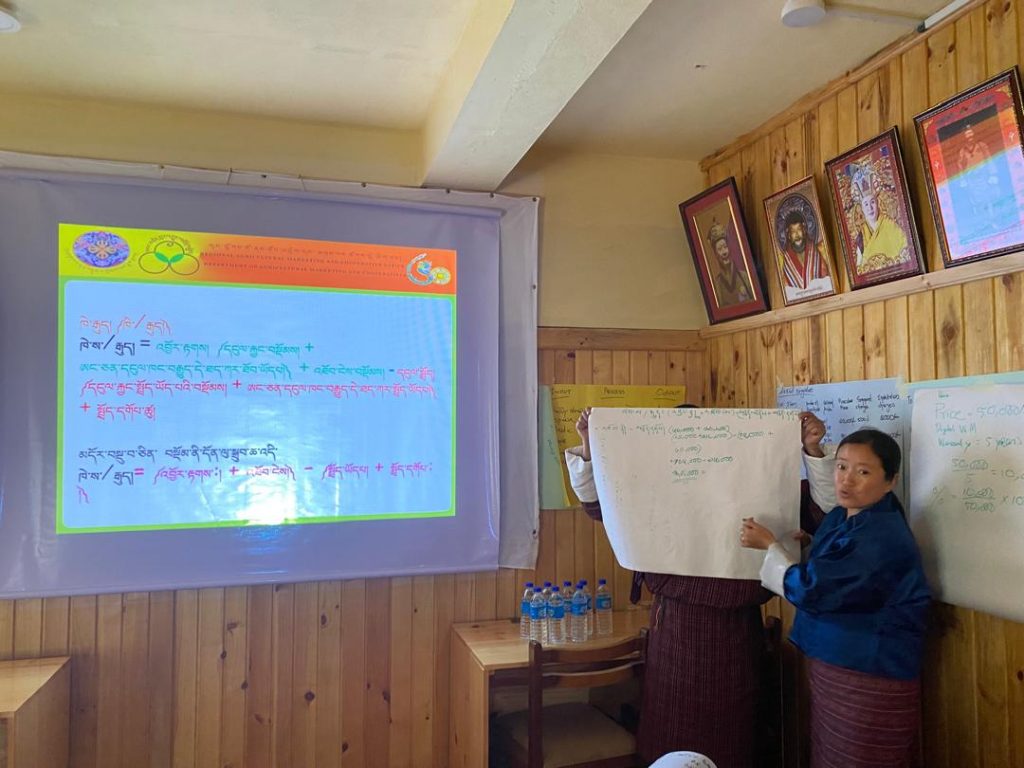
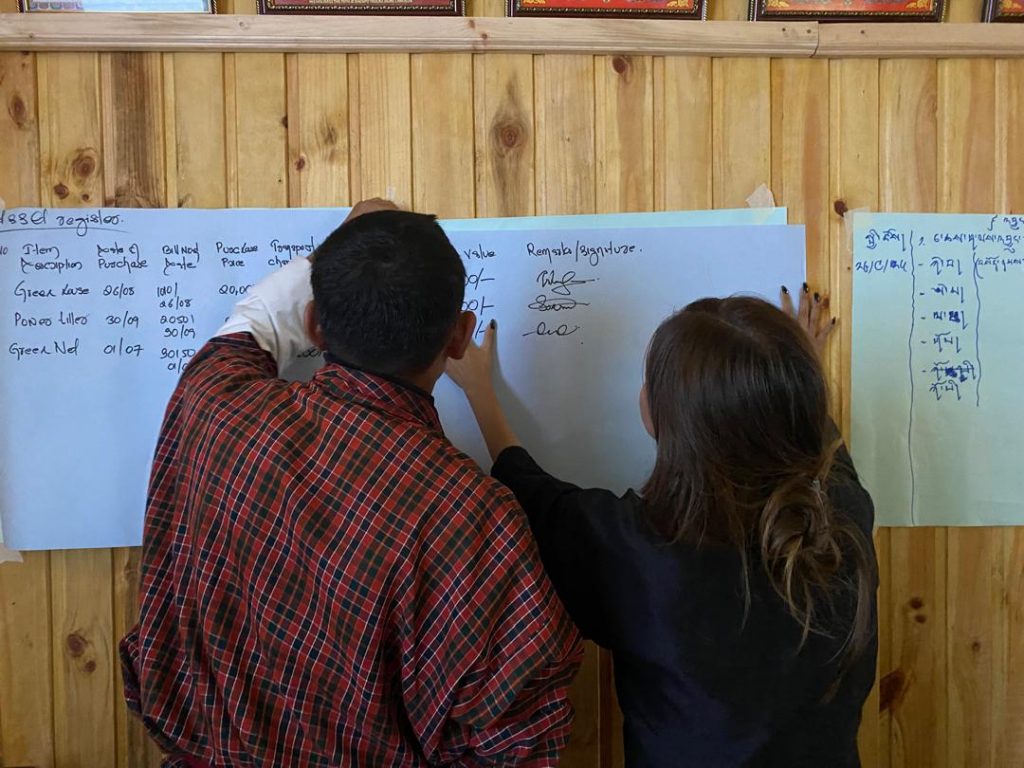
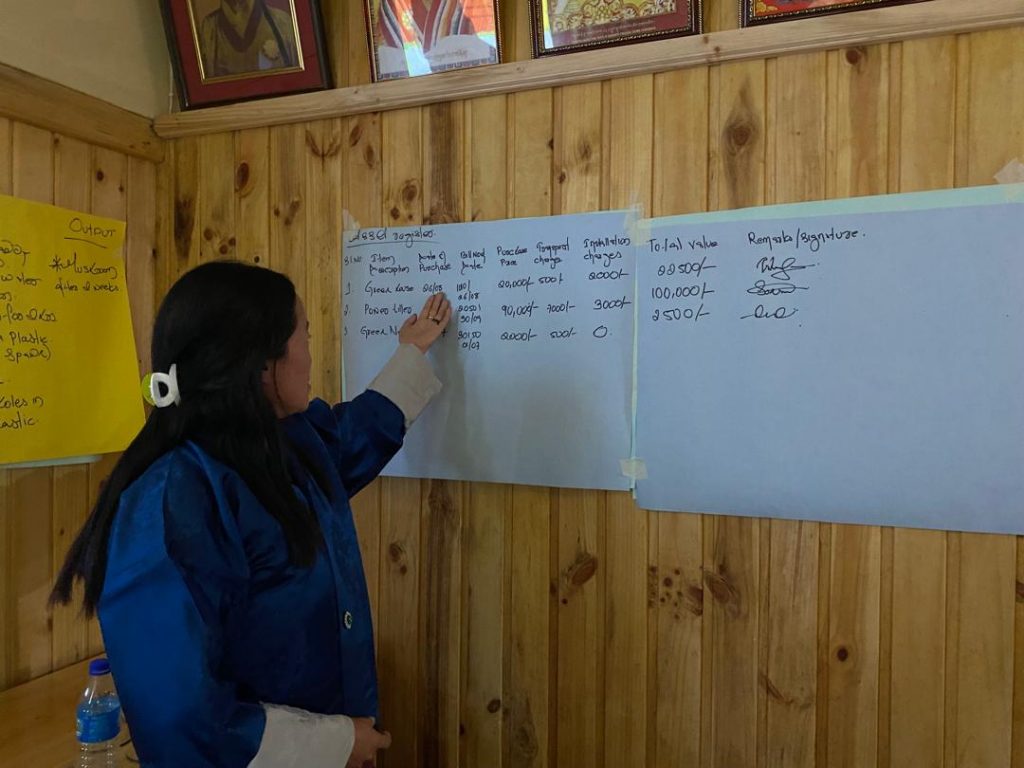
The training covered three key modules—Business Literacy, Financial Education, and Group Formation—drawn from the CARLEP FEBL module. Through interactive presentations, group exercises, and discussions, participants explored topics such as production planning, marketing, financial decision-making, and the legal framework for farmers’ group formation.
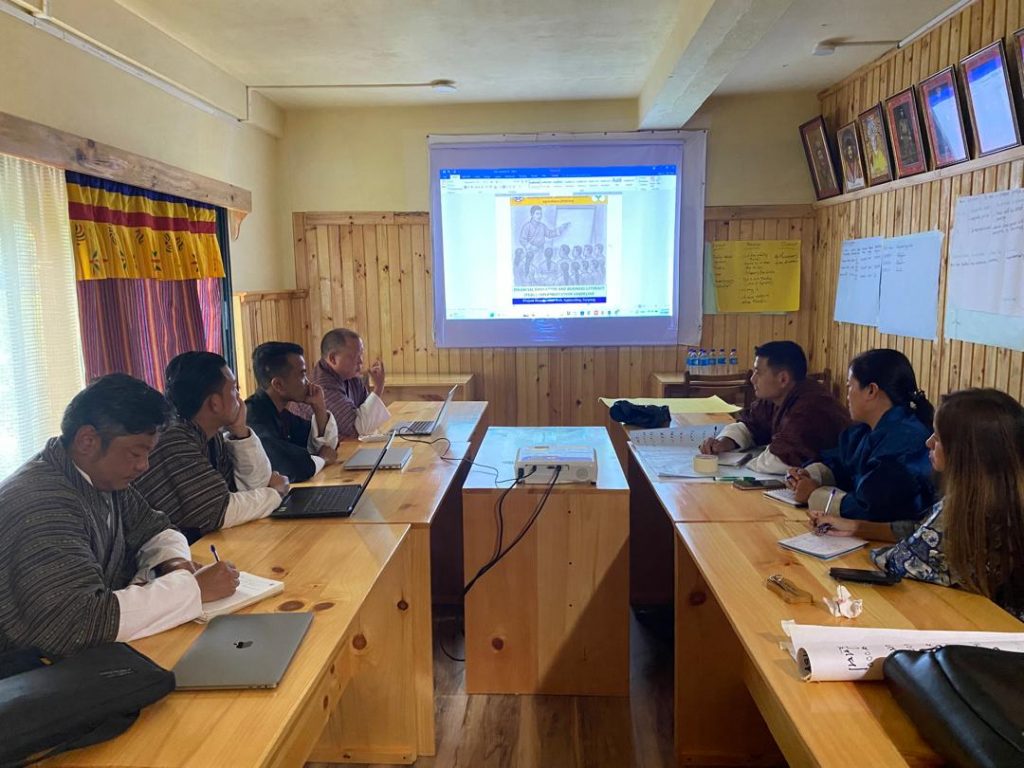
Participants expressed that the training was practical and directly relevant to their fieldwork. They shared that it enhanced their confidence to conduct similar trainings for farmer groups, encouraging rural households to adopt better saving habits, maintain records, and manage their group finances effectively.
Going forward, trained participants will replicate the FEBL sessions at the gewog and community levels, with RAMCO-Gelephu providing continuous technical support and monitoring. Follow-up sessions will also be organized to assess improvements in record-keeping and group financial performance.
The initiative aligns with the 13th Five Year Plan’s vision of “A High-Income Nation Driven by Innovation and Sustainability”, and contributes to BRECSA’s goal of enhancing resilient commercial agriculture and improving food and nutrition security by 2030.