


District-Level Livestock Training for Extension Officers and Sonam Jabchorpas concludes
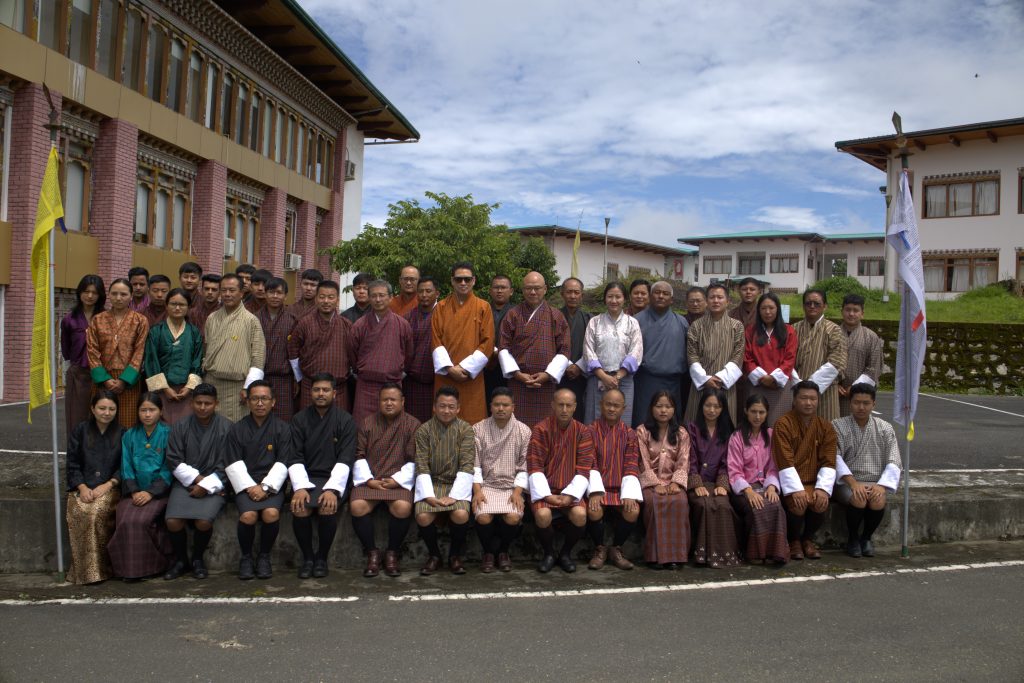
Tarayana Foundation, an implementing partner to WFP for the BRECSA project, successfully conducted district-level livestock training for Extension Officers and Sanam Jabchorpas.
A comprehensive three-day District Level Livestock Training was successfully conducted to strengthen the capacity of Livestock Extension Officers and Sonam Jabchorpas from Tsirang, Sarpang, Trongsa, and Zhemgang districts. Held at the Tsirang PDC from 22–23 July 2025 and at the Trongsa DYT Hall from 25–28 July 2025, the training brought together a total of 72 participants—43 in Tsirang and 29 in Trongsa.
The primary goal of the training was to promote climate-resilient and nutrition-sensitive livestock and agricultural practices. The sessions were designed to enhance participants’ technical knowledge and hands-on skills in sustainable waste and manure management, nutrition-focused agriculture, and effective community engagement.
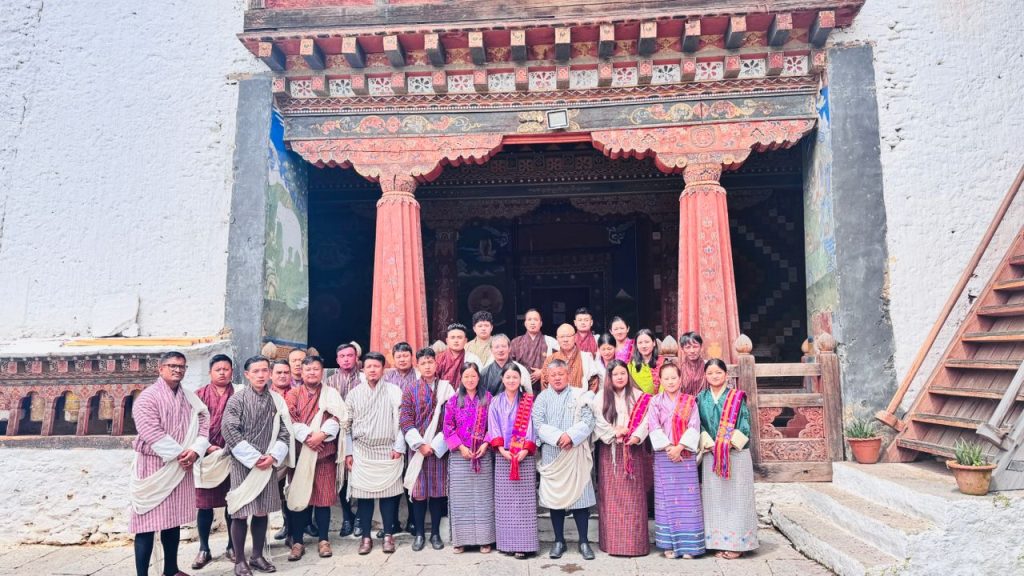
Day one focused on manure and waste management for climate change mitigation and communication and facilitation skills. Participants explored various types of agricultural and animal waste, including crop residues, animal manure, agro-industrial by-products, and plastic waste. The session highlighted the environmental impacts of improper waste disposal, such as soil degradation, water and air pollution, and greenhouse gas emissions. In addition, participants received training on effective communication techniques and facilitation skills essential for working with communities, covering verbal and non-verbal communication, active listening, and strategies for overcoming communication barriers. This session was led by Jigme Wangdi, Executive Specialist II from the Department of Livestock, and Chimi Dorji, Director of the Tarayana Foundation.
The second day centered on nutrition-sensitive agriculture, featuring sessions on nutrition model gardens and findings from formative research and baseline studies related to the Minimum Dietary Diversity for Women (MDDW). The training emphasized the importance of dietary diversity and the role of locally available agricultural and livestock products in improving nutrition. Interactive group role plays illustrated how nutrition messages could be effectively communicated to youth, women, and persons with disabilities. Participants also engaged with various information, education, and communication tools, such as flipcharts, key messages, and visual aids. This session was facilitated by Chimi Wangmo, Nutritionist from the World Food Programme (WFP).
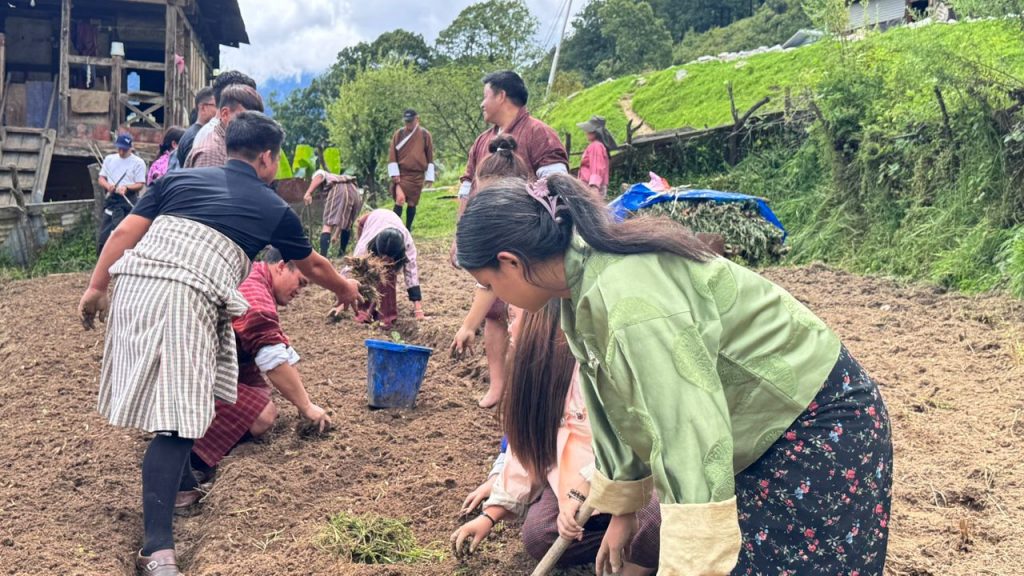
On the final day, participants took part in hands-on demonstrations focused on environmentally sustainable farming practices. The vermicomposting session taught them to use earthworms to turn organic waste into nutrient-rich compost, while the natural pesticide session provided training on the preparation and application of eco-friendly pest control solutions using local resources. These sessions were facilitated by field officers from the Tarayana Foundation.
The training concluded with a significant follow-up activity— the development of a model nutrition garden in Dorji Goenpa Chewog under Nubee Gewog. This initiative aims to demonstrate climate-resilient and nutrition-focused gardening practices to improve household dietary diversity. The garden will serve as a practical learning site for the community, especially targeting women, youth, and vulnerable groups, with the objective of encouraging the replication of similar models at the household level.
The training successfully integrated technical instruction, practical application, and participatory learning, aligning with broader efforts to enhance food and nutrition security through community-based interventions in Bhutan.